
Advanced enhancement, local contrast, and edges
Enhancement is not a single “make it better” switch. Each variant shows the generated output first, followed by the corresponding binding code.
Gaussian blur
Section titled “Gaussian blur”sigma: 2 reduces high-frequency detail. All four bindings have run; govips is the reference output and the other results still await pixel comparison.
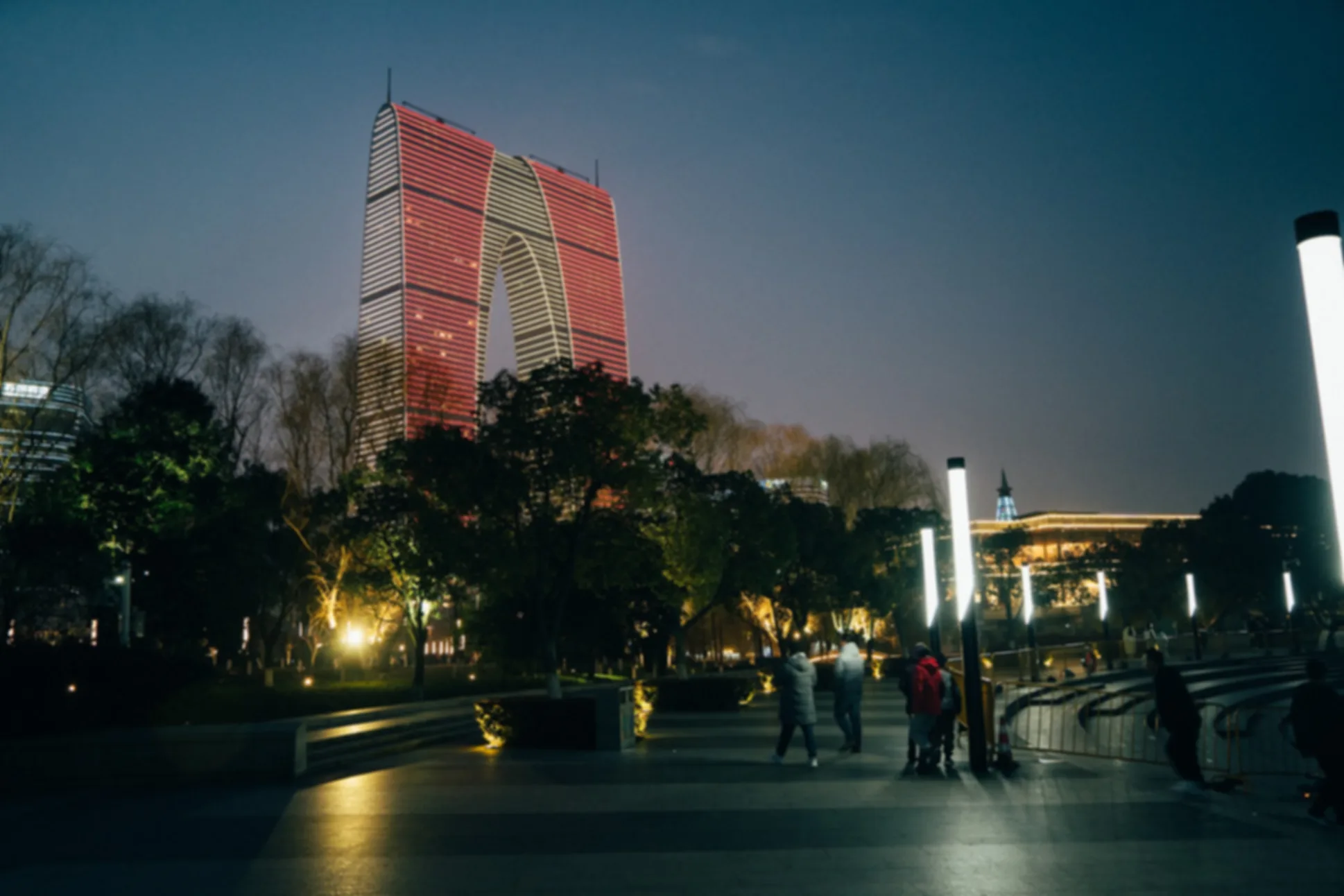
Generated with govips v2.19.0 / libvips 8.17.3.
image, err := vips.NewImageFromFile("input.jpg")if err != nil { return err }defer image.Close()if err := image.GaussianBlur(2); err != nil { return err }data, _, err := image.ExportWebp(vips.NewWebpExportParams())if err != nil { return err }return os.WriteFile("blur.webp", data, 0o644)await sharp('input.jpg').blur(2).webp({ quality: 82 }).toFile('blur.webp');image = pyvips.Image.new_from_file("input.jpg")image.gaussblur(2).write_to_file("blur.webp", Q=82)vips gaussblur input.jpg 'blur.webp[Q=82]' 2Sharpen
Section titled “Sharpen”The example uses sigma: 2 and explicit mask parameters. Sharpening can also amplify noise and compression artefacts.
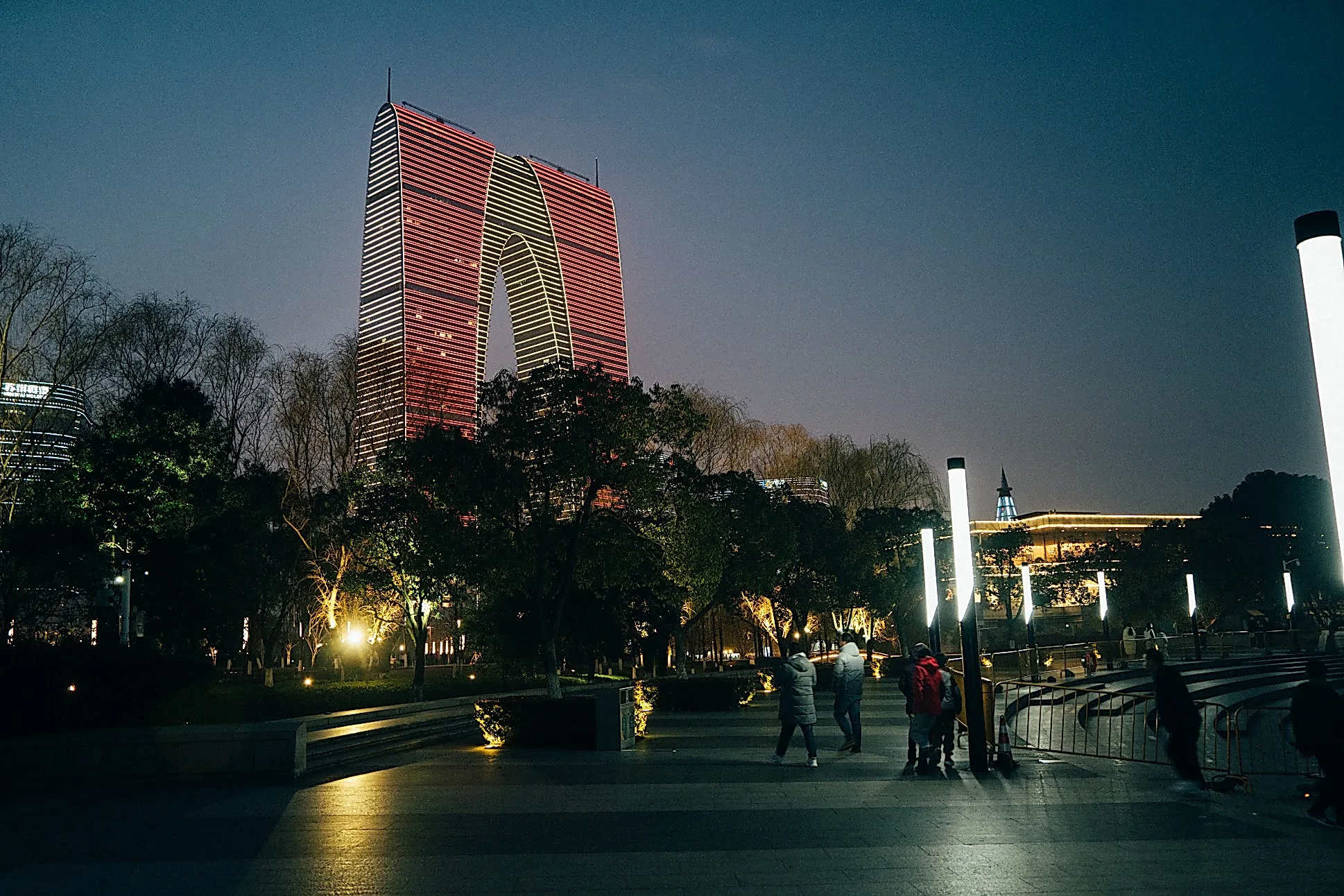
Generated with govips v2.19.0 / libvips 8.17.3.
if err := image.Sharpen(2, 2, 3); err != nil { return err }data, _, err := image.ExportWebp(vips.NewWebpExportParams())if err != nil { return err }return os.WriteFile("sharpen.webp", data, 0o644)await sharp('input.jpg').sharpen({ sigma: 2, m1: 1, m2: 3, x1: 2 }) .webp({ quality: 82 }).toFile('sharpen.webp');image = pyvips.Image.new_from_file("input.jpg")image.sharpen(sigma=2, x1=2, m2=3).write_to_file("sharpen.webp", Q=82)vips sharpen input.jpg 'sharpen.webp[Q=82]' --sigma 2 --x1 2 --m2 3Gamma correction
Section titled “Gamma correction”1.5 is this example’s exponent, not a universal default.
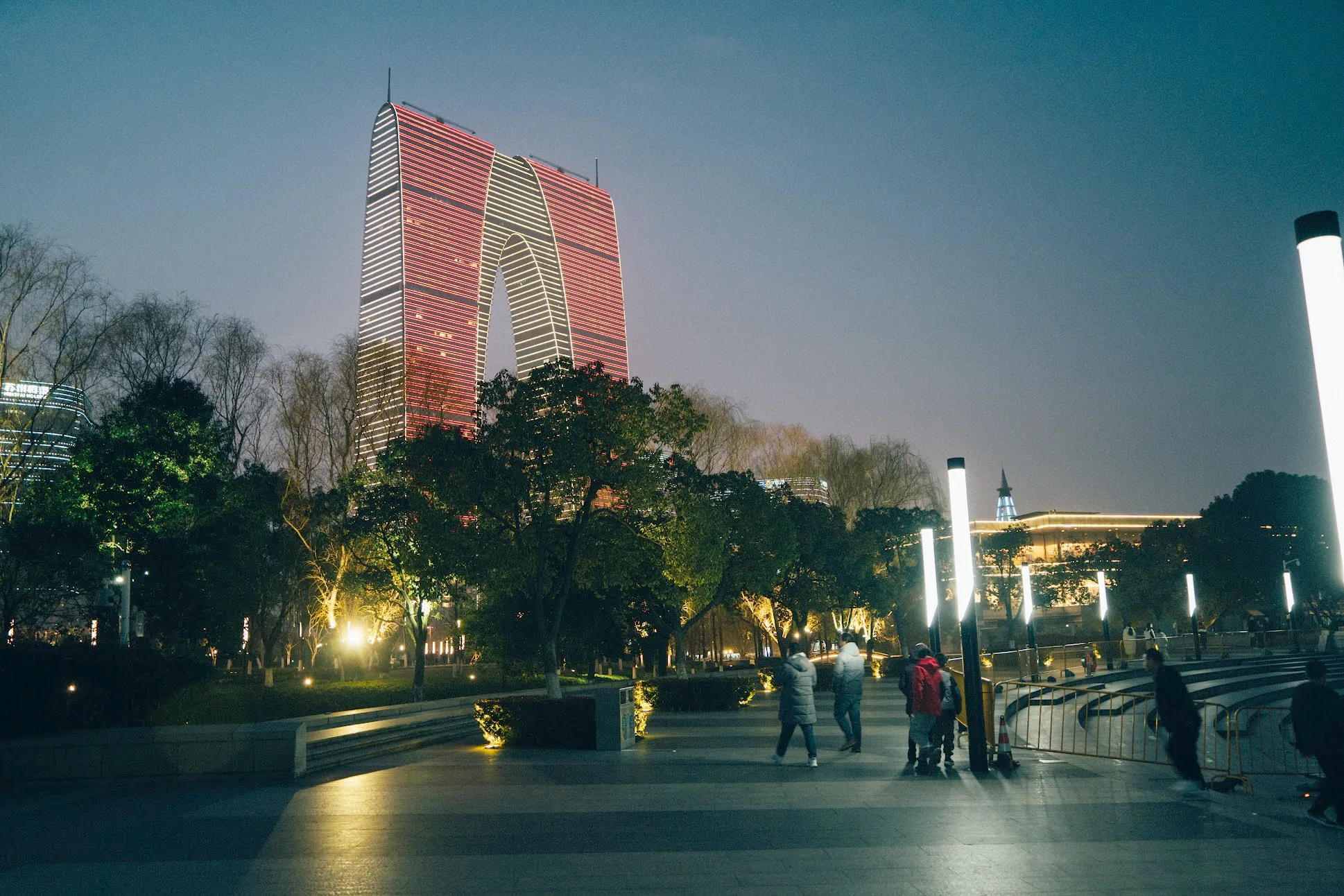
Generated with govips v2.19.0 / libvips 8.17.3.
if err := image.Gamma(1.5); err != nil { return err }data, _, err := image.ExportWebp(vips.NewWebpExportParams())if err != nil { return err }return os.WriteFile("gamma.webp", data, 0o644)await sharp('input.jpg').gamma(1.5).webp({ quality: 82 }).toFile('gamma.webp');image = pyvips.Image.new_from_file("input.jpg")image.gamma(exponent=1.5).write_to_file("gamma.webp", Q=82)vips gamma input.jpg 'gamma.webp[Q=82]' --exponent 1.5Edge detection
Section titled “Edge detection”govips and the CLI use Sobel. sharp executes the same Sobel kernel with convolve(). All three outputs were generated, but convolution borders and encoding differences still need comparison in the target use case.
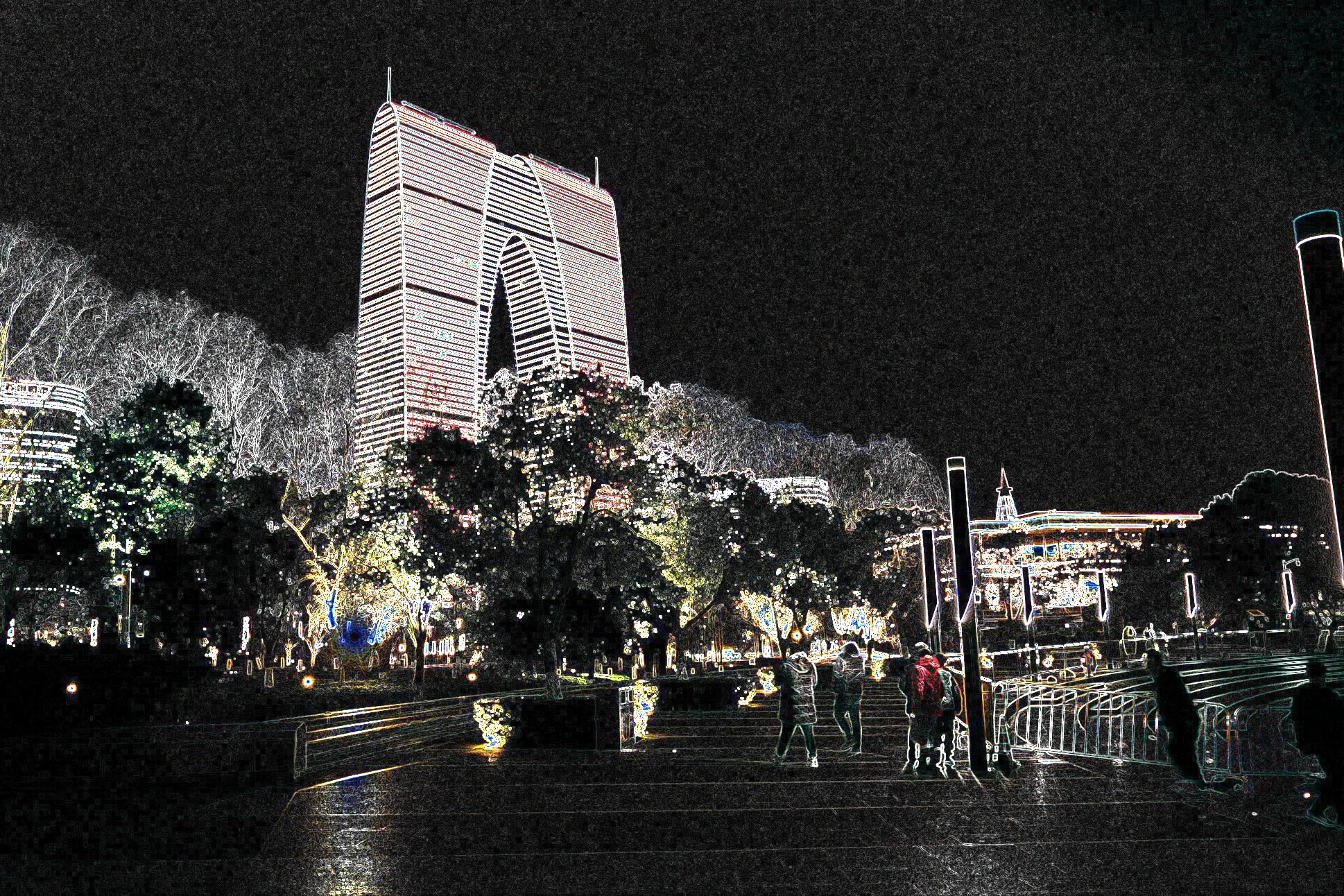
Generated with govips v2.19.0 / libvips 8.17.3.
if err := image.Sobel(); err != nil { return err }data, _, err := image.ExportWebp(vips.NewWebpExportParams())if err != nil { return err }return os.WriteFile("edge.webp", data, 0o644)await sharp('input.jpg').convolve({ width: 3, height: 3, kernel: [-1, 0, 1, -2, 0, 2, -1, 0, 1] }) .webp({ quality: 82 }).toFile('edge.webp');image = pyvips.Image.new_from_file("input.jpg")image.conv([[-1, 0, 1], [-2, 0, 2], [-1, 0, 1]]).write_to_file("edge.webp", Q=82)vips sobel input.jpg 'edge.webp[Q=82]'sharp-only high-level APIs
Section titled “sharp-only high-level APIs”sharp also exposes normalise(), clahe(), and arbitrary convolve(). Only the actually executed Sobel convolution has a cross-binding output on this page. normalise() and clahe() have no matching govips v2.19.0 high-level public entry point, so no invented govips implementation is shown. That gap does not mean libvips lacks the operation, and internal vipsGen* functions are not a stable application API.